
In today’s hyperconnected world, power failures pose a critical threat to business continuity, communication networks, and digital infrastructure that modern society depends on daily.

⚡ The Hidden Cost of Connectivity Loss During Power Outages
Power failures have become increasingly disruptive in our digitally dependent era. When electricity goes out, the cascading effects ripple through every aspect of modern life—from critical healthcare systems to financial transactions, remote work environments, and emergency communication channels. The average cost of downtime for businesses ranges from $5,600 to over $9,000 per minute, depending on the industry and organization size.
Understanding the vulnerability of our connectivity infrastructure reveals a sobering reality: most networks, servers, and communication systems operate on assumptions of continuous power availability. When that assumption fails, the consequences can be catastrophic. Whether caused by natural disasters, infrastructure failures, cyberattacks on power grids, or simple equipment malfunctions, power disruptions demand robust contingency planning.
The digital transformation accelerated by recent global events has only intensified our dependence on reliable connectivity. Remote work, cloud computing, IoT devices, and smart infrastructure all require uninterrupted power to function. A comprehensive contingency setup isn’t just a technical consideration—it’s a fundamental business requirement and a matter of operational resilience.
🔋 Understanding the Anatomy of Power Failure Vulnerabilities
Before implementing solutions, organizations must identify their specific vulnerabilities to power disruptions. Different systems experience varying levels of impact when power fails, and understanding these distinctions helps prioritize contingency investments.
Critical Infrastructure Components at Risk
Network equipment forms the backbone of connectivity infrastructure. Routers, switches, modems, and access points all require continuous power to maintain network operations. When power fails, these devices typically shut down within milliseconds, severing all connections passing through them. The recovery process isn’t instantaneous either—rebooting network equipment can take several minutes, during which connectivity remains unavailable.
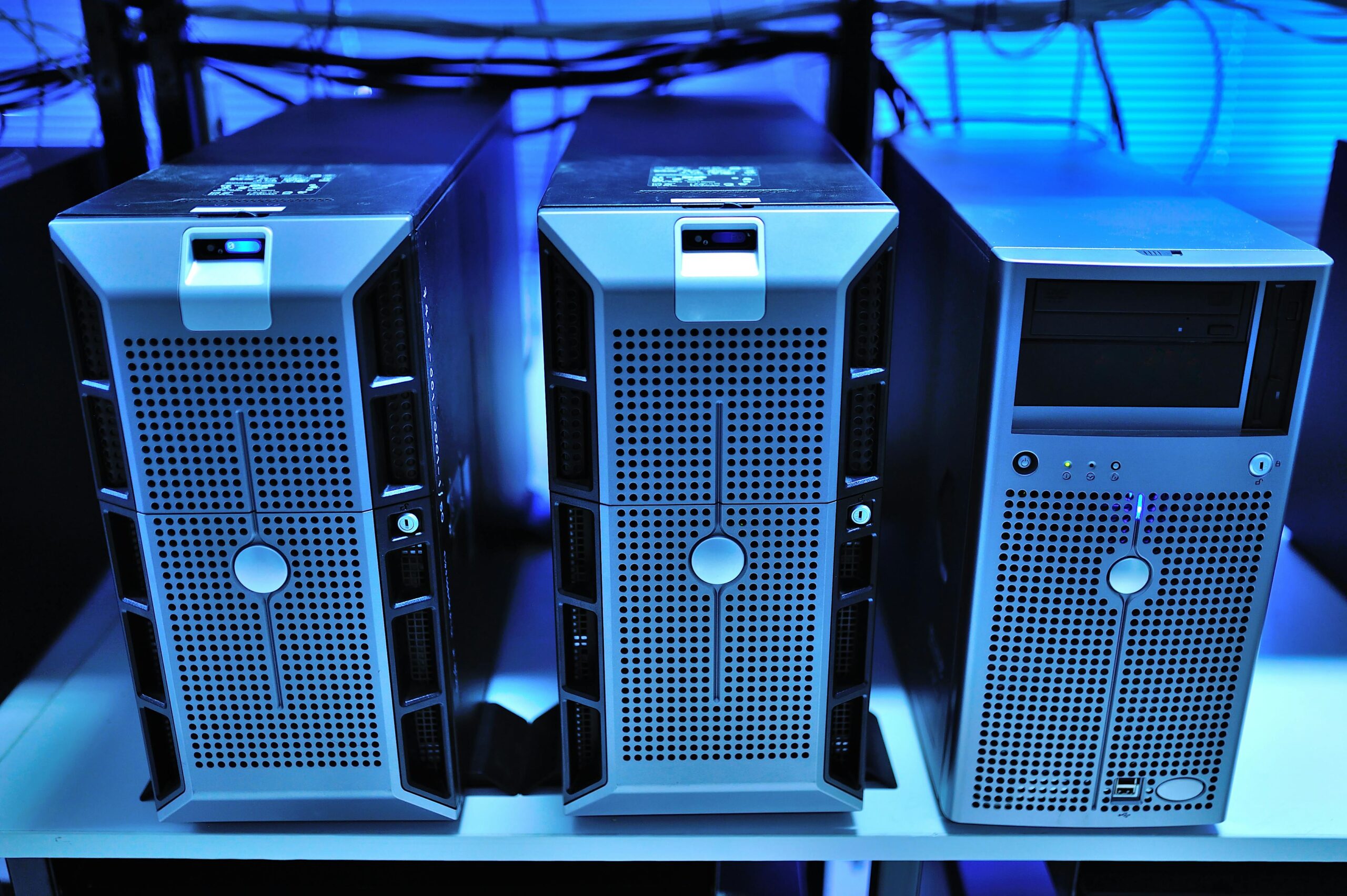
Server infrastructure represents another critical vulnerability point. Physical servers, storage arrays, and data center equipment handle enormous volumes of information and transactions. Unexpected power loss can result in data corruption, incomplete transactions, and potential hardware damage from improper shutdown procedures. Cloud-based services, while generally more resilient, still depend on local network equipment to maintain connectivity.
Communication systems including VoIP phones, video conferencing equipment, and unified communication platforms cease functioning immediately when power fails. Traditional landlines once provided backup during outages, but many organizations have completely transitioned to IP-based systems that require powered equipment throughout the communication chain.
The Domino Effect of Connectivity Loss
Power failures create cascading impacts that extend far beyond the immediate loss of electricity. Customer-facing services become unavailable, potentially driving clients to competitors. Employee productivity plummets as teams lose access to cloud applications, communication tools, and digital workflows. Security systems may fail, creating physical and digital vulnerabilities during the outage period.
Financial implications compound quickly. E-commerce platforms lose revenue every minute they remain offline. Subscription services face customer churn when reliability suffers. Regulatory compliance issues arise when organizations fail to maintain required uptime standards or lose critical data during improper shutdowns.
🛡️ Building a Robust Contingency Framework
Effective power failure contingency planning requires a multi-layered approach that addresses both immediate backup needs and extended outage scenarios. The goal isn’t merely surviving brief interruptions—it’s maintaining operational capability regardless of power availability duration.
Uninterruptible Power Supply (UPS) Systems: Your First Line of Defense
UPS systems provide immediate battery backup power when primary electricity fails. These devices sit between utility power and critical equipment, instantly switching to battery power during outages without any interruption to connected devices. For connectivity infrastructure, appropriately sized UPS systems can maintain operations from minutes to several hours, depending on battery capacity and load requirements.
Selecting the right UPS involves calculating total power requirements for all critical connectivity equipment. Network switches, routers, modems, wireless access points, and associated servers all need inclusion in capacity planning. Adding a 25-30% buffer above calculated requirements accommodates future growth and provides safety margin during actual outages.
Modern UPS systems offer sophisticated monitoring and management capabilities. Remote monitoring alerts IT teams immediately when power fails, battery capacity decreases, or equipment issues arise. Automated shutdown procedures can gracefully power down systems when battery reserves reach critical levels, preventing data corruption and hardware damage.
Generator Systems for Extended Outage Resilience
While UPS systems handle immediate power loss, generators provide extended operation capability during prolonged outages. Properly configured generator systems can maintain connectivity infrastructure indefinitely, limited only by fuel availability and maintenance requirements.
Automatic transfer switches (ATS) integrate generators with existing electrical infrastructure, detecting power failures and automatically starting generators within seconds. The UPS systems bridge the gap during generator startup, ensuring zero connectivity interruption throughout the transition. This layered approach combines the instant response of battery backup with the extended runtime of generator power.
Generator sizing requires careful analysis of total facility loads or, more commonly in modern designs, critical loads only. Many organizations implement selective backup strategies where generators power only essential equipment, reducing fuel consumption and equipment costs while maintaining critical connectivity services.
📡 Network Architecture Designed for Resilience
Hardware backup systems provide necessary power, but network architecture itself must incorporate resilience principles to maximize uptime during power failures and other disruptions.
Redundancy at Every Layer
Single points of failure represent unacceptable risks in critical connectivity infrastructure. Redundant internet service providers (ISPs) ensure connectivity continues even when one provider experiences outages. Diverse routing—using different physical pathways for redundant connections—protects against localized infrastructure failures affecting multiple providers simultaneously.
Network equipment redundancy means deploying backup routers, switches, and access points that automatically assume operations when primary devices fail. Software-defined networking (SDN) technologies enable rapid failover, often completing transitions within seconds without significant service disruption.
Geographic distribution of critical infrastructure provides resilience against localized power failures, natural disasters, and regional disruptions. Cloud-based services naturally incorporate geographic redundancy, but on-premises systems require deliberate multi-site architectures to achieve similar protection.
Mobile Connectivity as Backup Infrastructure
Cellular networks operate independently from premises-based power infrastructure, providing valuable backup connectivity when traditional internet services fail. Mobile hotspots, cellular routers, and dedicated cellular backup connections maintain basic connectivity for critical functions during extended outages.
Many organizations deploy LTE or 5G backup connections that automatically activate when primary internet connections fail. These systems provide sufficient bandwidth for essential operations—email, critical cloud applications, and communication platforms—even if performance doesn’t match primary connections.
☁️ Cloud Services and Distributed Architecture Advantages
Cloud computing fundamentally changes power failure dynamics for many organizations. While local power outages still disrupt on-premises equipment, cloud services generally remain available as long as some connectivity exists to reach them.
Shifting Critical Workloads to Cloud Infrastructure
Cloud service providers invest heavily in redundant power infrastructure, including multiple UPS systems, generator arrays, and even renewable energy sources. Major cloud platforms achieve uptime percentages exceeding 99.99%, far beyond what most individual organizations can accomplish independently.
Migrating critical applications, data storage, and communication platforms to cloud environments dramatically reduces local power failure impact. Email, file sharing, collaboration tools, and business applications remain accessible from any location with internet connectivity, regardless of on-premises power status.
Hybrid approaches balance cloud advantages with on-premises control. Critical workloads operate in the cloud for maximum resilience, while less critical systems or those requiring local processing remain on-premises with appropriate backup power provisions.
Edge Computing Considerations
Edge computing brings processing power closer to data sources, reducing latency and bandwidth requirements. However, edge deployments require the same power resilience planning as traditional data centers, just distributed across more locations. Each edge node needs appropriately sized UPS systems and potentially generator backup for extended outage protection.
📱 Ensuring Communication Continuity During Power Failures
Maintaining communication capabilities during power outages is crucial for coordination, customer service, and emergency response. Modern communication systems require careful planning to remain operational when power fails.
VoIP and Unified Communication Resilience
Traditional phone systems included power from the telephone line itself, allowing basic calling even during outages. Modern VoIP systems sacrifice this inherent resilience for flexibility and features, requiring powered equipment at every point in the communication chain.
Ensuring VoIP reliability during power failures means providing backup power for IP phones, network switches, routers, and internet connections. Centralized UPS systems can power all these components, but distributed approaches using individual phone power adapters with battery backup offer additional resilience against localized failures.
Cloud-based communication platforms provide alternatives when on-premises systems fail. Softphone applications on laptops and smartphones with cellular connectivity maintain calling capability even when office infrastructure loses power. Establishing procedures for failover to mobile devices ensures teams can continue communicating regardless of facility power status.
Mobile Device Management and Preparation
Smartphones and tablets represent critical communication tools during power failures, but only if adequately charged when outages occur. Organizational policies encouraging device charging during normal operations, combined with portable battery banks for extended outages, ensure mobile communication capability persists throughout disruptions.
Mobile device management (MDM) systems can push critical information, emergency procedures, and alternative contact methods to devices before and during outages. Pre-positioning this information ensures teams maintain access even when primary communication channels fail.
🔐 Security Implications of Power Failure Scenarios
Power failures create security vulnerabilities that adversaries may exploit. Comprehensive contingency planning must address these security dimensions alongside operational continuity.
Physical Security Systems During Outages
Electronic access control systems, security cameras, and alarm systems all require power to function. When facilities lose power, physical security may be compromised unless these systems have adequate backup power provisions. UPS systems for security infrastructure should provide extended runtime, recognizing that power failures may require enhanced security vigilance.
Network security appliances including firewalls, intrusion detection systems, and VPN concentrators must remain operational during power failures to maintain cybersecurity posture. Ensuring these devices receive backup power protection prevents creating security gaps that attackers might exploit during the confusion of power outages.
Data Protection and Backup Systems
Power failures threaten data integrity through incomplete transactions, corruption during improper shutdowns, and potential hardware failures. Backup power systems provide the most direct protection, allowing systems to shut down gracefully when extended outages exceed UPS capacity.
Continuous data replication to geographically distributed locations provides additional protection. Cloud-based backup solutions automatically synchronize data to remote facilities unaffected by local power failures, ensuring recovery capability even if primary systems suffer damage during outages.
🎯 Testing and Maintaining Contingency Systems
Even the most sophisticated contingency systems fail when needed if not properly maintained and regularly tested. Establishing comprehensive testing protocols ensures backup systems perform as expected during actual emergencies.
Regular Testing Schedules
UPS systems require monthly testing to verify battery health, switching functionality, and runtime capacity. These tests should simulate actual power failures, allowing systems to transfer to battery power and validating that all critical equipment remains operational during the transition.
Generator systems need quarterly testing under load conditions that simulate actual operational requirements. Simply starting generators isn’t sufficient—they must demonstrate capacity to handle full electrical loads for extended periods. Regular testing also ensures fuel systems function properly, automatic transfer switches operate correctly, and monitoring systems provide accurate status information.
Preventive Maintenance Programs
Battery replacement schedules based on manufacturer recommendations prevent unexpected failures during critical moments. UPS batteries typically require replacement every three to five years, depending on temperature conditions and usage patterns. Proactive replacement before batteries fail prevents learning about degraded capacity during actual power outages.
Generator maintenance includes regular oil changes, filter replacements, coolant system servicing, and fuel system maintenance. Diesel fuel degrades over time, requiring fuel polishing or replacement to prevent generator failures during extended operation. Natural gas generators require less fuel maintenance but still need regular mechanical servicing.
💼 Business Continuity Planning Beyond Technical Solutions
Technical systems provide necessary infrastructure, but complete resilience requires organizational preparation encompassing procedures, communication, and training.
Documented Procedures and Response Plans
Power failure response procedures should detail specific actions for different roles and scenarios. IT teams need technical playbooks covering system monitoring, failover procedures, and recovery processes. Business units require guidance on alternative work arrangements, customer communication, and priority determination during limited-capacity operations.
Communication trees establish clear escalation paths and notification procedures when power failures occur. Automated monitoring systems should alert appropriate personnel immediately, while documented procedures ensure everyone understands their responsibilities and actions required.
Regular Training and Drills
Annual power failure drills test both technical systems and organizational responses. These exercises reveal gaps in planning, identify needed improvements, and build organizational muscle memory for responding effectively to actual emergencies. Post-drill reviews document lessons learned and drive continuous improvement in contingency capabilities.
🌍 Preparing for Tomorrow’s Connectivity Challenges
The increasing frequency of extreme weather events, aging electrical infrastructure, and growing power demands create an environment where power failures may become more common rather than less. Organizations investing in robust contingency systems today position themselves for resilience in an increasingly uncertain future.
Emerging technologies including advanced battery systems, fuel cells, and renewable energy sources offer new approaches to power resilience. Solar panels combined with battery storage can provide backup power without fuel requirements, though capacity and cost considerations currently limit widespread adoption for complete facility backup.
The fundamental principle remains unchanged regardless of specific technologies deployed: modern organizations cannot afford connectivity interruptions during power failures. Whether serving customers, supporting remote workers, or maintaining critical operations, reliable connectivity has become as essential as electricity itself. Strong contingency setups aren’t optional luxuries—they’re foundational requirements for operational resilience in our interconnected world.
By implementing layered backup power systems, architecting networks for resilience, leveraging cloud infrastructure advantages, maintaining security during outages, and establishing comprehensive organizational procedures, organizations can ensure connectivity persists regardless of power grid reliability. The investment in these capabilities pays dividends not only during actual outages but also in the confidence and reliability that robust contingency planning provides every single day.