
Anúncios
Remote control apps have transformed how we interact with our devices, offering seamless control over TVs, streaming boxes, and smart home gadgets directly from our smartphones.
Gone are the days when losing your physical remote meant frantically searching between couch cushions or scrambling to find replacement batteries. Modern technology has created a convenient solution that sits right in your pocket, ready whenever you need it.
Anúncios
Whether you’re looking to consolidate multiple remotes into one device or simply want the convenience of controlling your entertainment system from your phone, online remote control applications offer functionality that goes far beyond traditional infrared remotes. Let’s explore how these innovative apps work and why they’ve become essential tools for smart homes everywhere.
📱 What Makes Online Remote Control Apps Essential
The shift toward smartphone-based remote controls isn’t just about convenience—it represents a fundamental change in how we interact with technology in our homes. These applications bridge the gap between various devices, creating unified control systems that simplify daily interactions.
Anúncios
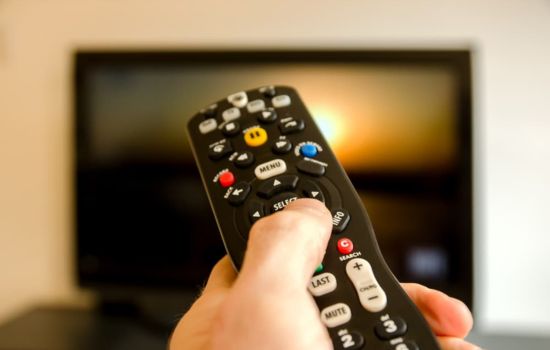
Traditional remotes come with limitations. They require line-of-sight, run on batteries that inevitably die at inconvenient moments, and clutter coffee tables with multiple devices for different gadgets. Online remote control apps eliminate these frustrations while adding features that physical remotes could never provide.
Modern remote apps leverage your home’s Wi-Fi network to communicate with compatible devices, eliminating the need for direct line-of-sight. This means you can adjust your TV volume from another room, pause playback from the kitchen, or switch inputs before even sitting down.
🔧 How Remote Control Applications Actually Work
Understanding the technology behind these apps helps appreciate their capabilities. Most online remote control applications use one of two primary connection methods: infrared blasting or network-based communication.
Infrared-enabled phones contain a small IR emitter that mimics traditional remote signals. When you press a button in the app, your phone sends the corresponding infrared pulse, just like a physical remote would. This method works with virtually any IR-compatible device but requires direct line-of-sight.
Network-based remotes connect through your Wi-Fi network, communicating directly with smart TVs, streaming devices, and other connected gadgets. This approach offers greater range and functionality, allowing features like voice control, keyboard input, and even screen mirroring.
Connection Types Explained
Different devices require different connection protocols. Smart TVs from manufacturers like Samsung, LG, and Sony typically support network connections, while older models may only respond to infrared signals. Many comprehensive remote apps support both methods, automatically detecting the best connection type for each device.
Bluetooth connectivity serves as another option, particularly for audio devices and some streaming boxes. This creates a direct pairing between your phone and the device, offering reliable control without requiring network access.
✨ Features That Set Modern Remote Apps Apart
Contemporary remote control applications offer capabilities that make traditional remotes seem primitive by comparison. These features transform your smartphone into a powerful universal controller.
Customizable interfaces allow you to arrange buttons according to your preferences, creating personalized layouts for different activities. Whether you’re watching movies, gaming, or listening to music, you can design interfaces optimized for each scenario.
Voice control integration lets you speak commands instead of navigating through menus. Simply tell your phone what you want to watch, and the app handles the rest—switching inputs, launching apps, and starting playback without touching a single button.
Smart Automation Capabilities
Advanced remote apps integrate with smart home ecosystems, enabling automation routines. You can create scenarios where dimming the lights automatically pauses your TV, or leaving home powers down all entertainment devices simultaneously.
Scheduling features let you set timers for devices, perfect for parents managing children’s screen time or anyone wanting their TV to turn off automatically after falling asleep. These intelligent features add layers of functionality impossible with physical remotes.
🏠 Setting Up Your Remote Control App
Getting started with a remote control application is surprisingly straightforward, though the exact process varies depending on your devices and chosen app.
Begin by ensuring your smartphone and target devices share the same Wi-Fi network. This connection forms the foundation for network-based communication. Open your remote app and initiate the device discovery process, which scans your network for compatible gadgets.
Most apps automatically detect nearby devices, displaying a list of everything available for control. Select your TV, streaming box, or other device, and the app establishes the connection. Some devices may require confirmation through on-screen prompts or PIN entry for security purposes.
Troubleshooting Common Setup Issues
If your app doesn’t detect devices automatically, manual configuration remains an option. You’ll need to specify the device brand and model, allowing the app to load the appropriate control codes.
Network connectivity problems often stem from firewall settings or router configurations. Ensure your devices aren’t isolated on guest networks, which typically restrict device-to-device communication. Restarting both your phone and target device often resolves stubborn connection issues.
🎯 Choosing the Right Remote App for Your Needs
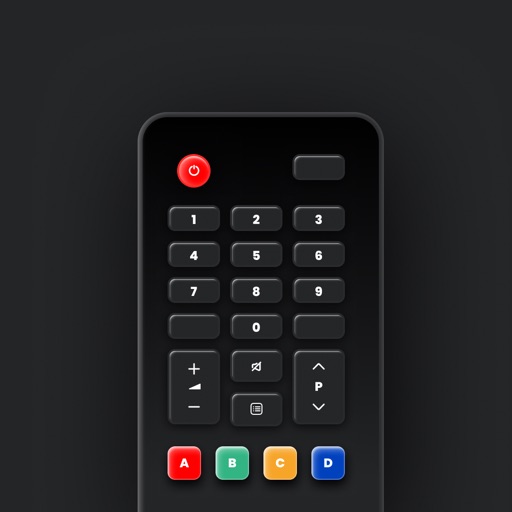
The marketplace offers dozens of remote control applications, each with distinct features and compatibility profiles. Selecting the right one depends on your specific devices and requirements.
Universal remote apps aim to support as many device brands as possible, making them ideal if you own equipment from multiple manufacturers. These apps maintain extensive databases of control codes, covering everything from popular smart TVs to obscure audio equipment.
Manufacturer-specific apps, created by companies like Samsung, LG, or Roku, offer deeper integration with their respective devices. They often provide exclusive features unavailable in third-party apps, such as advanced picture settings or proprietary streaming features.
Key Features to Consider
- Device compatibility with your existing equipment
- User interface design and customization options
- Additional features like voice control and automation
- Reliability of connections and responsiveness
- Privacy policies and data handling practices
- Regular updates and active development support
- Cost structure—free, freemium, or paid applications
🔐 Security Considerations for Remote Apps
Granting an application control over your devices requires trust, making security an essential consideration. Reputable remote apps implement multiple safeguards to protect your privacy and prevent unauthorized access.
Encrypted communication ensures that commands sent from your phone to devices cannot be intercepted or manipulated by malicious actors on your network. Look for apps that explicitly mention encryption protocols in their security documentation.
Permission management matters significantly. Remote apps typically request network access and sometimes additional permissions for features like voice control. Review these requests carefully, ensuring they align with the app’s stated functionality.
Protecting Your Smart Home Network
Securing your Wi-Fi network forms the first line of defense. Use strong, unique passwords and enable WPA3 encryption if your router supports it. Consider creating a separate network for smart home devices, isolating them from computers and phones containing sensitive personal information.
Regular app updates often include security patches addressing newly discovered vulnerabilities. Enable automatic updates when possible, or check manually for new versions periodically.
💡 Advanced Tips for Power Users
Once comfortable with basic remote app functionality, exploring advanced features unlocks even greater convenience and control.
Macro commands combine multiple actions into single buttons. Create a “Movie Night” button that dims lights, closes smart blinds, turns on your TV, launches your streaming app, and adjusts the volume to your preferred level—all with one tap.
Widgets bring essential controls to your phone’s home screen, enabling quick access without opening the full app. Adjust volume, skip tracks, or power devices on and off directly from your lock screen.
Integration with Digital Assistants
Many remote apps work alongside Google Assistant, Alexa, or Siri, enabling voice commands through your preferred ecosystem. This integration creates seamless control experiences where speaking naturally replaces button presses entirely.
Setting up these integrations typically involves linking your remote app account within your assistant’s settings, then discovering devices. Once configured, commands like “turn on the TV” or “play Netflix” work across your entire smart home.
🌟 The Future of Remote Control Technology
Remote control applications continue evolving, with emerging technologies promising even more impressive capabilities. Understanding these trends helps you make informed decisions about which apps and devices to invest in.
Artificial intelligence integration enables predictive controls that learn your habits and preferences. Your remote app might automatically adjust settings based on the time of day, who’s watching, or what type of content you’ve selected.
Augmented reality features are beginning to appear, overlaying controls onto your physical environment through your phone’s camera. Point your phone at a device, and virtual buttons appear on screen, mapped to the actual equipment you’re controlling.
Cross-Platform Ecosystems
The future points toward greater interoperability between manufacturers. Industry standards like Matter aim to ensure devices from different brands work together seamlessly, making universal remote apps more powerful and reliable than ever before.
Cloud-based configurations will let you set up controls once and sync them across all your devices—phones, tablets, even smartwatches—maintaining consistent experiences regardless of which device you’re using.
🎬 Practical Scenarios Where Remote Apps Shine
Real-world examples illustrate how remote control applications improve daily life in ways physical remotes never could.
Accessibility features help individuals with mobility limitations control devices from wherever they’re comfortable. Someone using a wheelchair can adjust the TV without needing to reach a coffee table, while voice control benefits those with limited hand dexterity.
Parents appreciate parental control features that restrict access to certain apps or set viewing time limits. Managing these settings from your phone proves far easier than navigating complex on-screen menus with a traditional remote.
Entertainment Hosting Made Simple
When entertaining guests, remote apps let anyone control the music or TV by simply downloading the same app and connecting to your network. No more passing a single remote around or explaining which buttons do what—everyone has identical, intuitive controls.
Multi-room control becomes effortless when you can manage TVs, speakers, and streaming devices throughout your home from one interface. Start music playing in the living room and seamlessly transition it to the patio as your gathering moves outside.
🚀 Maximizing Your Remote App Experience
Getting the most from your remote control application involves more than just basic setup. These strategies enhance functionality and convenience.
Organize your devices into rooms or categories within the app, making it easy to find the right controls quickly. Label everything clearly, especially if you have multiple similar devices like several Roku boxes in different rooms.
Experiment with different layout configurations until you find arrangements that feel natural. Place frequently used buttons in easily accessible positions, while less common controls can occupy secondary screens or menus.
Maintenance and Optimization
Periodically review your app’s device list, removing old equipment and adding new purchases. This housekeeping ensures you’re not scrolling through controls for devices you no longer own.
Test backup control methods for critical devices. While remote apps are reliable, having alternative control options—whether physical remotes or manufacturer apps—provides peace of mind if your phone battery dies or the app encounters issues.
📊 Comparing Popular Remote Control Applications
While specific app recommendations change as new options emerge, understanding what distinguishes leading applications helps you make informed choices.
Some apps prioritize breadth of compatibility, supporting thousands of device models across hundreds of brands. Others focus on depth, offering exceptional control over specific ecosystems with features unavailable elsewhere.
User interface philosophy varies significantly between apps. Some embrace minimalism with clean, simple layouts, while others pack extensive functionality into customizable interfaces that power users appreciate but might overwhelm casual users.
🌐 Remote Apps Beyond Television Control
While TV control represents the most common use case, remote apps extend far beyond entertainment devices.
Air conditioner control apps let you adjust temperature, fan speed, and modes from your phone, perfect for pre-cooling rooms before arriving home. Many also provide energy usage statistics and scheduling capabilities.
Projector controls through remote apps simplify presentations and home theater setups. Adjust focus, switch inputs, and manage display settings without climbing ladders or accessing hard-to-reach buttons on the device itself.
Industrial and Commercial Applications
Businesses use remote control applications for digital signage, managing displays across multiple locations from centralized control systems. Retail environments, restaurants, and corporate offices benefit from this streamlined management approach.
Conference rooms equipped with remote-controlled systems let presenters manage displays, audio, and video conferencing equipment from tablets, creating professional experiences without requiring technical support staff for every meeting.
🎁 The Ultimate Convenience Revolution
Remote control applications represent more than simple replacements for physical remotes—they’re fundamental improvements to how we interact with technology. By consolidating controls, adding intelligent features, and integrating with broader smart home ecosystems, these apps transform scattered device management into unified, intuitive experiences.
Whether you’re embracing smart home technology for the first time or optimizing an existing setup, remote control apps deserve serious consideration. Their combination of convenience, functionality, and continuous improvement through software updates makes them invaluable tools for modern living.
The transition from physical to digital remote controls reflects broader technological trends toward connectivity, intelligence, and user-centric design. As these applications continue evolving, they’ll unlock even more possibilities for seamless device control, making our interactions with technology increasingly natural and effortless.
