
Anúncios
Plant identification apps have revolutionized how we interact with nature, turning smartphones into powerful botanical guides that help millions discover, learn, and care for plants worldwide.
Whether you’re a gardening enthusiast, a curious hiker, or someone who simply wants to know more about the greenery surrounding you, these innovative applications offer instant access to botanical knowledge. Gone are the days of carrying heavy field guides or spending hours flipping through plant encyclopedias.
Anúncios
Modern plant identification technology combines artificial intelligence, machine learning, and vast botanical databases to deliver accurate results in seconds. Simply snap a photo of any plant, flower, tree, or succulent, and watch as the app identifies it, provides care instructions, and offers fascinating insights about its origin and characteristics.
🌿 How Plant Identification Apps Actually Work
The technology behind plant identification apps is remarkably sophisticated yet user-friendly. These applications leverage computer vision algorithms trained on millions of plant images from around the globe. When you take a photo, the app analyzes various botanical features including leaf shape, flower structure, bark texture, and growth patterns.
Anúncios
Most advanced plant identifiers use convolutional neural networks (CNNs) that have been trained to recognize subtle differences between species. The app compares your photo against its extensive database, which often contains hundreds of thousands of plant species. Within moments, you receive identification results ranked by confidence level.
The accuracy of these apps continues to improve as more users contribute photos and validate identifications. Many platforms operate on crowdsourced data, where botanists and experienced gardeners verify submissions, creating a continuously learning system that becomes more reliable over time.


🌸 Top Features That Make These Apps Indispensable
Modern plant identification applications offer far more than simple species recognition. They’ve evolved into comprehensive botanical companions that enhance your relationship with nature in multiple ways.
Instant Visual Recognition
The core feature remains the instant identification capability. Point your camera at any plant, and the app provides detailed information including scientific names, common names, family classification, and native habitat. Some apps can identify plants from various angles—leaves, flowers, fruits, or even bark.
Comprehensive Plant Care Guides
Once a plant is identified, most apps provide tailored care instructions. You’ll discover optimal watering schedules, sunlight requirements, ideal soil conditions, fertilization tips, and seasonal maintenance advice. This feature transforms beginners into confident plant parents.
Disease and Pest Diagnosis
Many premium plant apps include diagnostic tools that identify plant diseases, pest infestations, and nutrient deficiencies. Upload a photo of a troubled plant, and receive treatment recommendations along with prevention strategies to keep your garden healthy.
Personalized Plant Collections
Create digital gardens by saving identified plants to your personal collection. Track your garden’s growth, set watering reminders, and receive notifications about seasonal care needs. This organizational feature helps manage both indoor and outdoor plant collections efficiently.
Community Engagement
Connect with fellow plant enthusiasts through built-in social features. Share discoveries, ask questions to expert botanists, and learn from a global community of gardeners. Many apps include forums where users exchange tips and troubleshoot plant problems together.
🌱 Benefits Beyond Simple Identification
Plant identification apps deliver value that extends far beyond naming unknown species. These tools have become educational platforms that foster environmental awareness and ecological understanding.
For educators and students, these apps serve as interactive learning tools that bring botany lessons to life. Children can explore nature trails while learning about local flora, making science tangible and exciting. The gamification elements in some apps encourage ongoing exploration and knowledge retention.
Environmental conservation efforts also benefit from these technologies. Some apps allow users to report invasive species sightings, contributing to ecological monitoring programs. Others highlight endangered plants, raising awareness about biodiversity threats and conservation priorities.
Gardeners save significant time and money by avoiding plant care mistakes. Understanding a plant’s specific needs prevents overwatering, improper placement, and unsuitable soil conditions—common issues that lead to plant death and wasted resources.

🔍 Choosing the Right Plant Identifier for Your Needs
With numerous plant identification apps available, selecting the ideal one depends on your specific requirements and botanical interests. Different applications excel in various areas, offering unique features tailored to diverse user needs.
Database Size and Regional Coverage
The comprehensiveness of a plant database directly impacts identification accuracy. Apps with larger databases covering multiple continents provide better results for international travelers and those interested in exotic species. However, regionally focused apps often deliver superior accuracy for local flora due to specialized training data.
Accuracy and Verification Methods
Consider how the app validates identifications. Some rely purely on AI algorithms, while others incorporate expert review systems where botanists verify results. Hybrid approaches combining automated recognition with human expertise typically offer the most reliable outcomes.
User Interface and Experience
An intuitive interface makes plant identification enjoyable rather than frustrating. Look for apps with clear photo guidelines, easy navigation, and well-organized information displays. The best apps balance powerful features with simplicity, making botanical knowledge accessible to users of all skill levels.
Offline Functionality
For hikers and nature explorers venturing beyond cellular coverage, offline capabilities become essential. Some apps allow downloading regional plant databases for use without internet connection, ensuring you can identify plants anywhere your adventures take you.
📱 Maximizing Accuracy When Using Plant Apps
While plant identification technology is impressive, following best practices significantly improves recognition accuracy and delivers more reliable results.
Photography technique matters tremendously. Capture close-up images of distinctive features like flowers, leaves, and stems separately. Good lighting is crucial—natural daylight without harsh shadows produces the clearest photos. Avoid blurry images and ensure the plant fills most of the frame.
Multiple photos from different angles increase identification confidence. Photograph the entire plant for context, then zoom in on unique characteristics. Include images of flowers, fruits, bark texture, and leaf arrangement when possible. This comprehensive approach helps the algorithm distinguish between similar species.
Clean the lens before photographing. Smudges and dirt interfere with image clarity, reducing recognition accuracy. A simple wipe with a soft cloth ensures optimal photo quality.
Consider the season when interpreting results. Many plants look dramatically different throughout the year. Deciduous trees without leaves, dormant perennials, and plants past their blooming period may be harder to identify. Note the time of year when seeking identification assistance.
🌍 Environmental Impact and Citizen Science Contributions
Plant identification apps have become powerful tools for environmental research and conservation efforts. By turning millions of users into citizen scientists, these platforms collect valuable botanical data that supports ecological studies worldwide.
Researchers use aggregated plant identification data to track species distribution changes, monitor biodiversity shifts, and detect invasive species spread. This crowdsourced information supplements traditional field surveys, providing real-time insights into vegetation patterns across diverse landscapes.
Climate change research benefits from temporal plant data collected through these apps. Scientists observe flowering time shifts, range expansions, and phenological changes that indicate environmental transformations. Your casual plant identifications contribute to this larger scientific understanding.
Conservation organizations utilize app data to identify biodiversity hotspots requiring protection. When rare or endangered species are documented through user submissions, conservationists can prioritize habitat preservation efforts and allocate resources more effectively.
🏡 Practical Applications for Home Gardeners
Home gardeners discover tremendous practical value in plant identification apps beyond simple species recognition. These tools transform how we plan, maintain, and enjoy our personal green spaces.
When visiting nurseries, identify unlabeled plants instantly to research their care requirements before purchasing. This prevents buying plants unsuited to your climate, light conditions, or maintenance capacity. Smart shopping leads to healthier gardens and fewer disappointments.
Inherited gardens often contain mystery plants from previous owners. Identify these unknowns to understand their needs and decide whether to keep, relocate, or remove them. Discovering you have valuable perennials or herbs changes how you manage that garden space.
Weed identification becomes straightforward, helping distinguish between invasive weeds requiring removal and beneficial native plants worth preserving. Some weeds are actually edible or medicinal plants, changing your perspective on garden maintenance.
Companion planting strategies improve when you accurately know what’s growing where. Understanding plant families and growth habits helps create beneficial plant combinations that naturally deter pests and enhance growth.
🌳 Educational Opportunities for All Ages
Plant identification apps transform nature walks into interactive learning experiences that engage curious minds across generations. These tools make botanical education accessible, entertaining, and deeply meaningful.
Parents and educators use these apps to foster environmental awareness in children. Nature scavenger hunts become educational adventures where kids identify trees, flowers, and shrubs while learning about ecosystems. This hands-on approach to learning creates lasting connections with the natural world.
The immediate feedback loop keeps learners engaged. Unlike traditional field guides requiring extensive page-flipping, apps deliver instant gratification that maintains attention and encourages continued exploration. This responsiveness is particularly effective with younger learners who thrive on interactive experiences.
Building personal plant collections within the app creates a sense of achievement. Children take pride in their growing digital herbarium, motivating ongoing nature exploration and species discovery. Gamification elements like achievement badges and identification challenges add competitive fun to botanical learning.
💡 Advanced Features Worth Exploring
Beyond basic identification, premium plant apps offer sophisticated features that elevate your botanical knowledge and gardening success to professional levels.
Light meter tools measure available sunlight in different locations around your property. This scientific approach to plant placement ensures you position specimens in optimal lighting conditions, dramatically improving survival rates and growth performance.
Water tracking systems send customized reminders based on individual plant needs, local weather conditions, and seasonal variations. Smart notifications prevent both overwatering and neglect, addressing two primary causes of houseplant death.
Garden planning tools let you design layouts digitally before breaking ground. Visualize mature plant sizes, color combinations, and seasonal interest patterns. This virtual planning prevents costly mistakes and creates cohesive landscape designs.
Integration with weather services provides localized alerts about conditions affecting your plants. Frost warnings, heat stress advisories, and precipitation forecasts help you take protective measures at crucial moments.
🌺 The Future of Plant Recognition Technology
The evolution of plant identification technology promises even more impressive capabilities on the horizon. Emerging developments will make these apps increasingly indispensable for nature enthusiasts and professional horticulturists alike.
Augmented reality features are beginning to overlay plant information directly onto live camera views. Point your phone at a garden, and see plant names, care status indicators, and growth predictions floating above each specimen in real-time.
Predictive analytics will forecast plant health issues before visible symptoms appear. By analyzing subtle color changes and growth patterns invisible to human eyes, future apps will alert you to stress factors days or weeks before traditional diagnostic signs emerge.
Integration with smart home systems will automate plant care. Apps will communicate with intelligent irrigation controllers, grow lights, and environmental sensors to maintain optimal conditions without manual intervention. Your plants will essentially manage themselves with minimal oversight.
Social commerce features will connect growers directly with buyers. Identify a beautiful plant at a friend’s house, then purchase the same species from nearby nurseries or online retailers through in-app marketplaces. This seamless shopping experience supports local horticultural businesses while satisfying plant desires instantly.
🎯 Making the Most of Your Plant Identification Journey
Approaching plant identification as an ongoing journey rather than a one-time task enriches your relationship with nature and deepens botanical understanding. Consistent engagement with these tools yields compounding benefits over time.
Start a plant identification journal documenting discoveries with photos, locations, and observations. This personal record becomes a valuable reference and tracks your growing botanical knowledge. Reviewing past identifications reinforces learning and reveals patterns in your local ecosystem.
Challenge yourself to identify new species regularly. Set goals like discovering ten new plants monthly or learning all trees in your neighborhood. Structured objectives transform casual interest into systematic botanical education.
Share knowledge with your community. Teach neighbors, friends, and family members how to use plant identification apps. Spreading botanical awareness multiplies the positive environmental impact and creates shared experiences around nature appreciation.
Consider volunteering with local conservation organizations using your app-enhanced plant knowledge. Many groups need help with invasive species monitoring, native plant restoration projects, and biodiversity surveys. Your digital skills contribute meaningfully to environmental stewardship.
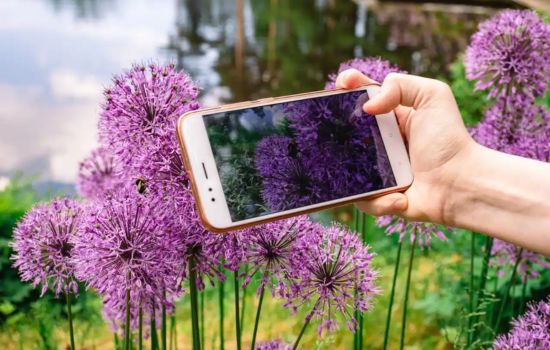
✨ Transforming Your Connection with the Natural World
Plant identification apps represent more than convenient tools—they’re gateways to deeper environmental awareness and appreciation. By removing barriers to botanical knowledge, these technologies invite everyone to engage meaningfully with the living world around them.
What begins as curiosity about a single unknown plant often blossoms into lifelong passion for botany, gardening, and conservation. Each identification opens doors to new questions, discoveries, and connections with nature’s incredible diversity.
The confidence gained from understanding plants transforms outdoor experiences. Walks through parks become botanical adventures. Road trips reveal regional vegetation patterns. Even urban environments reveal surprising plant diversity when you know how to look and identify.
These apps democratize botanical expertise once limited to trained professionals. Now anyone with a smartphone can access knowledge that previously required years of study. This accessibility empowers individuals to become informed environmental advocates and skilled gardeners regardless of formal training.
Start your plant identification journey today and discover the remarkable botanical world that’s been surrounding you all along. Every plant has a story—these apps help you read them all, one identification at a time. 🌿
